

ZinCo Green Roof Systems
Premium quality and innovative solutions for architectural visions
About
Technically Sound Green Roof Systems for Stunning Roof Landscapes
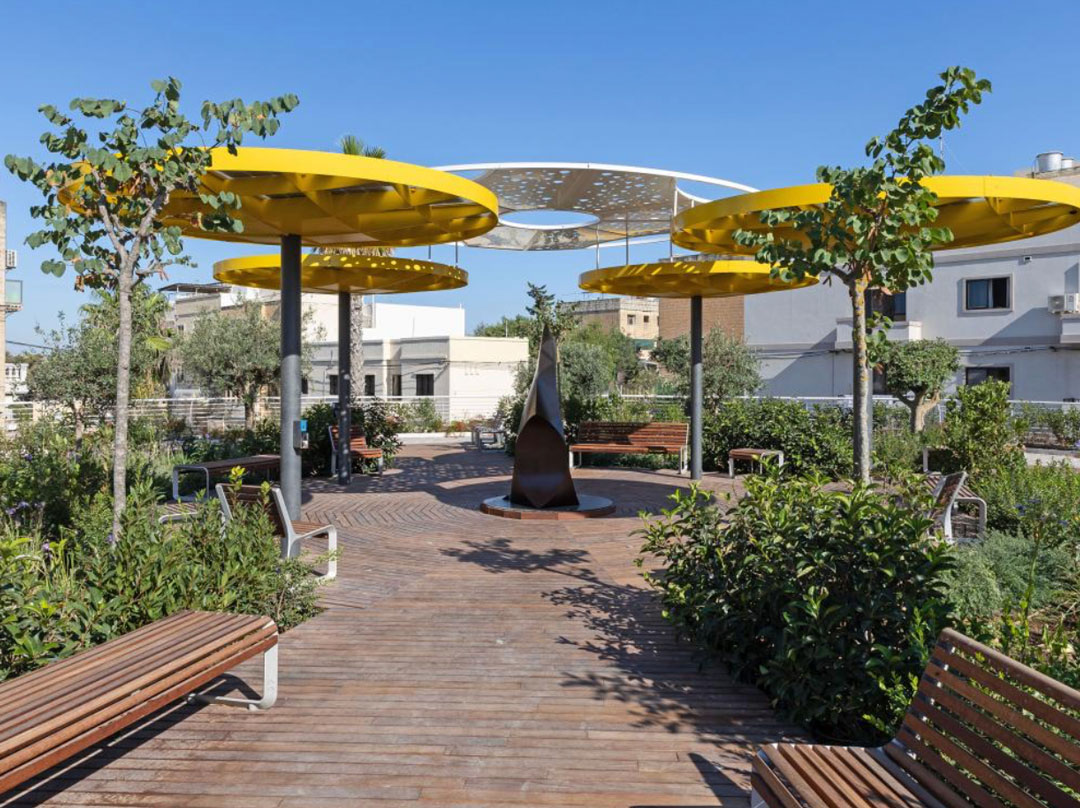
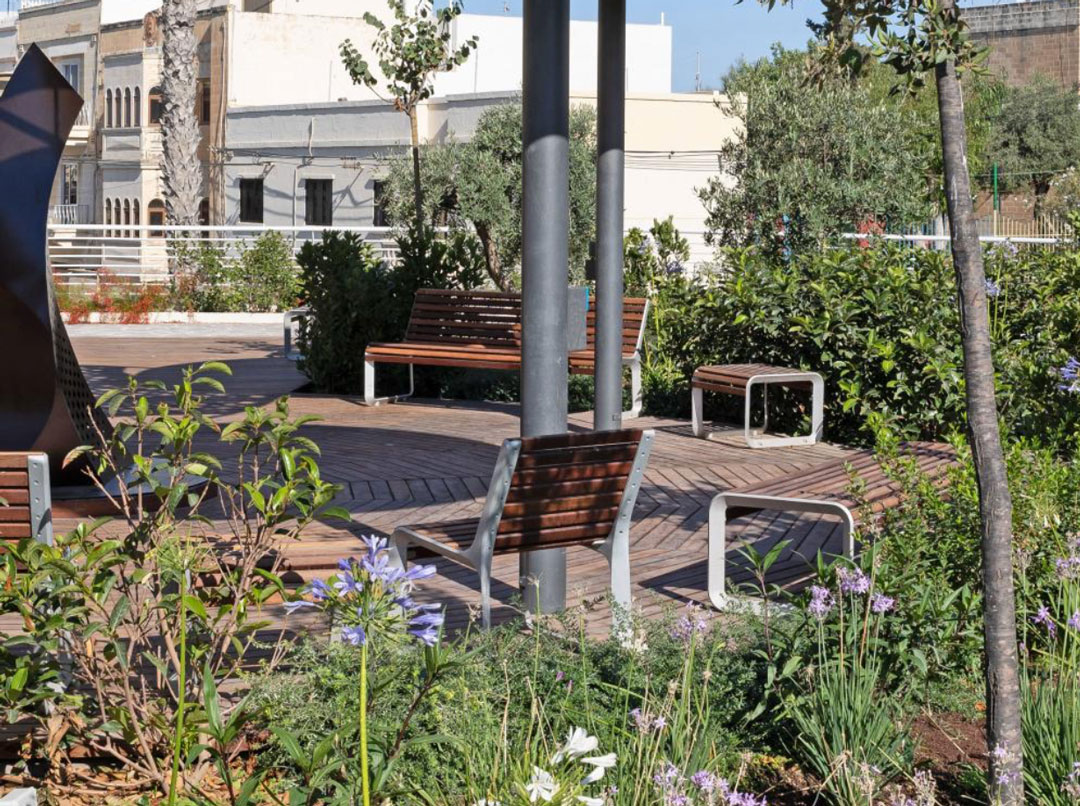
An ecological aim, an economical method. Whether it be creating protected ecological areas or developing integrated landscaped rooftops; utilising rooftops is no longer a luxury, it is a necessity. Green roofs can create a valuable counterbalance to the progressive development of overbuilt areas. ZinCo has been working on long-term, effective solutions for the utilisation of rooftops across the world for over 40 years.
ZinCo – as one of the leading companies in the green roof market – are pioneers and innovators in the field of extensive and intensive roof greening. Research projects and innovative systems developed by ZinCo inspire architects and demanding clients to plan both private and large public buildings in a holistic and sustainable way.
Groups
Gallery




Products

For an assembly of type “Saddle”, two Solar Base Frames are mounted onto a Solar Base SB 200 in a way that their higher ends meet in the middle. The slope of the panels directs more rainwater to the walkways between the solar panel rows, so that an increased plant growth can be expected there.

For an assembly of type “Butterfly”, the two Solar Base Frames meet with their lower sides. Rainwater is directed to the middle of the Solar Base SB 200 and distributed from there in both directions. In this case, a rather lush vegetation can be expected under the solar panels

SolarVert® with vertical module arrangement combines the benefits of east-west orientation and south orientation. Bi-facial PV modules use solar radiation from both sides. Moreover, the vertical sub-structure allows for a greater supply of water and light to the vegetation.
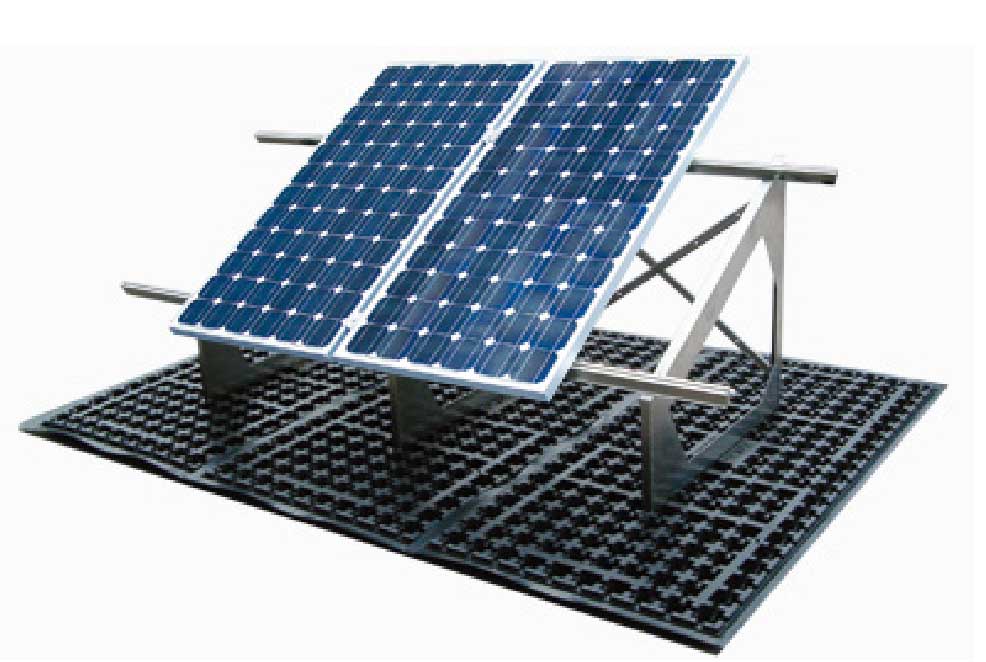
With its Solar Base, ZinCo incorporates solar energy into green roofs and creates synergies, whether it is for generating electricity (photovoltaic) or for heating and hot water applications (solar thermal). The height of the Solar Base Frames creates enough distance between the substrate layer and the solar panels, providing the plants with enough sunlight and rainwater and enabling appropriate maintenance.